Hot Topics:
In 2026, the landscape of affiliate marketing has evolved significantly. Google’s algorithms are more ruthless than ever regarding page experience, making speed and technical SEO non-negotiable. If your site takes more than a couple of seconds to load, your visitors will bounce, and your search engine rankings will plummet. Let’s walk through the exact themes I recommend for maximizing both speed and SEO.
| Theme | Best For | Speed Score (Out of 100) | SEO-Ready Schema? | Difficulty Level |
|---|---|---|---|---|
| GeneratePress | Absolute Speed & Minimalism | 99+ | Yes (Basic) | Moderate |
| Astra | Versatility & Pre-built Sites | 95+ | Yes (Advanced) | Beginner |
| Kadence WP | Advanced Layouts & Blocks | 97+ | Yes (Advanced) | Beginner-Friendly |
| Blocksy | Modern Design & Modularity | 97+ | Yes (Advanced) | Beginner-Friendly |
| REHub | Price Comparison Engines | 85+ | Yes (Built-in) | Advanced |
| Authority Pro | Personal Branding & E-E-A-T | 92+ | Yes (Basic) | Moderate |
| Popcorn Theme | Simple Niche Sites | 98+ | Yes (Affiliate Focus) | Beginner |
1. GeneratePress: The Lightweight Performance King
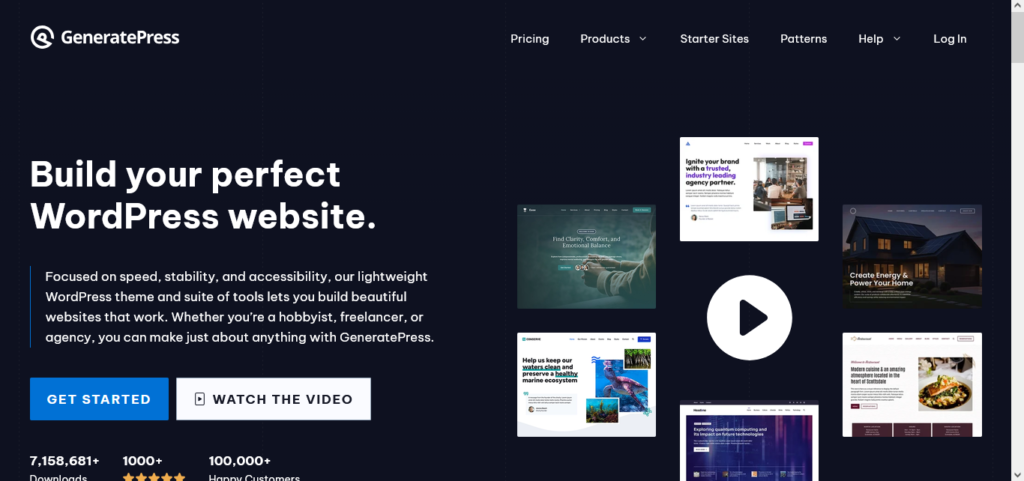
When I need a site to load instantly, GeneratePress is always my first choice. It is a minimalist, multipurpose theme that strips away the bloat and gives you exactly what you need to build a fast affiliate site.
The beauty of GeneratePress lies in its incredibly clean codebase. A fresh install is less than 10kb gzipped, which is practically unheard of in modern web design. This minimalist approach means search engine crawlers can index your content without getting tangled in massive Javascript files. It is the perfect blank canvas for SEO.
By upgrading to GeneratePress Premium, you unlock the Site Library, which includes several pre-built layouts perfect for content creators. When paired with GenerateBlocks (their proprietary block builder), you can create highly customized, conversion-optimized product boxes without the speed penalty of traditional page builders.
2. Astra: Versatility Meets Rapid Loading
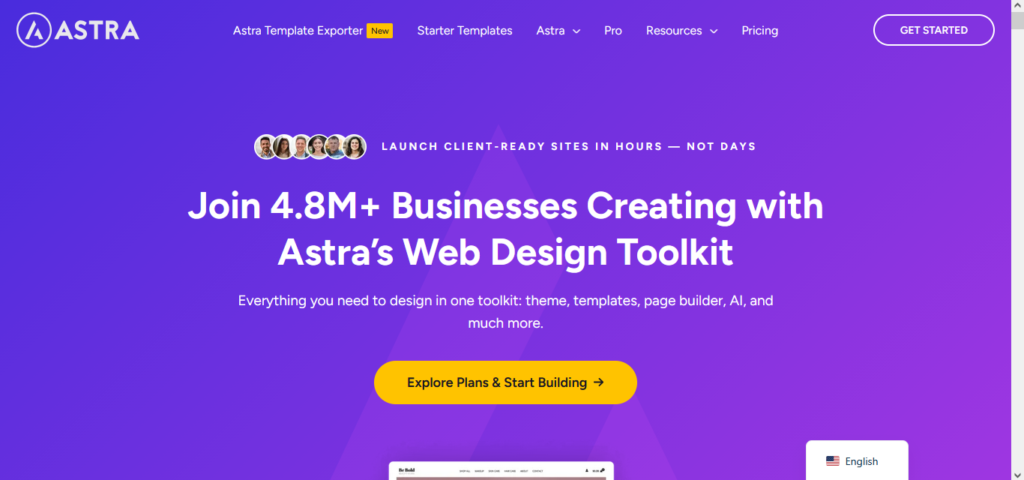
Astra is easily one of the most popular themes in the world, and for good reason. It bridges the gap between hardcore performance and user-friendly customization. If you want a site that looks professionally designed right out of the box, Astra is a fantastic option.
What I love about Astra is its vast library of Starter Templates. You can import a fully functioning affiliate review site in just a few clicks. Despite this versatility, Astra remains incredibly fast because it is completely jQuery-free. This eliminates render-blocking Javascript, a common issue that plagues many older WordPress themes.
Furthermore, Astra integrates flawlessly with the tools affiliate marketers use most. Whether you are building with the Spectra block editor or using affiliate management plugins like Lasso, Astra ensures your tracking links, pricing tables, and product displays load seamlessly.
3. Kadence WP: The Modern Standard for Customization
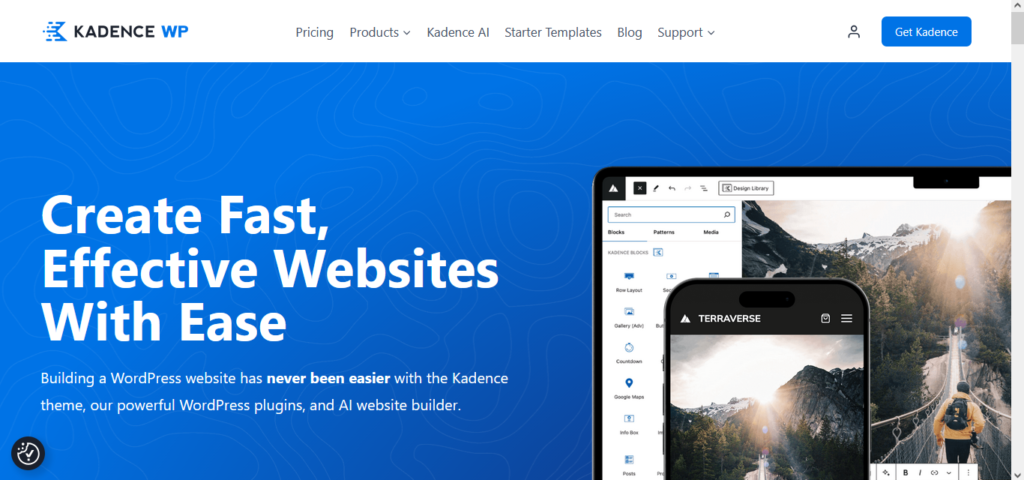
Over the last few years, Kadence WP has taken the WordPress community by storm, and it has quickly become one of my absolute favorites for affiliate projects. It offers a level of customization that used to require a heavy page builder like Elementor, but it does so natively within the WordPress customizer.
One of the standout features is its built-in header and footer builder. You can create complex, multi-tiered navigation menus (which are great for siloing your affiliate content for SEO) without installing third-party plugins. This keeps your site architecture clean and your load times low.
When you pair the theme with Kadence Blocks, you gain the ability to build stunning, high-converting product grids. You can easily create custom “Pros and Cons” sections, rating dials, and beautiful CTA buttons that capture user attention and drive clicks.
4. Blocksy: The Performance-First Design Powerhouse
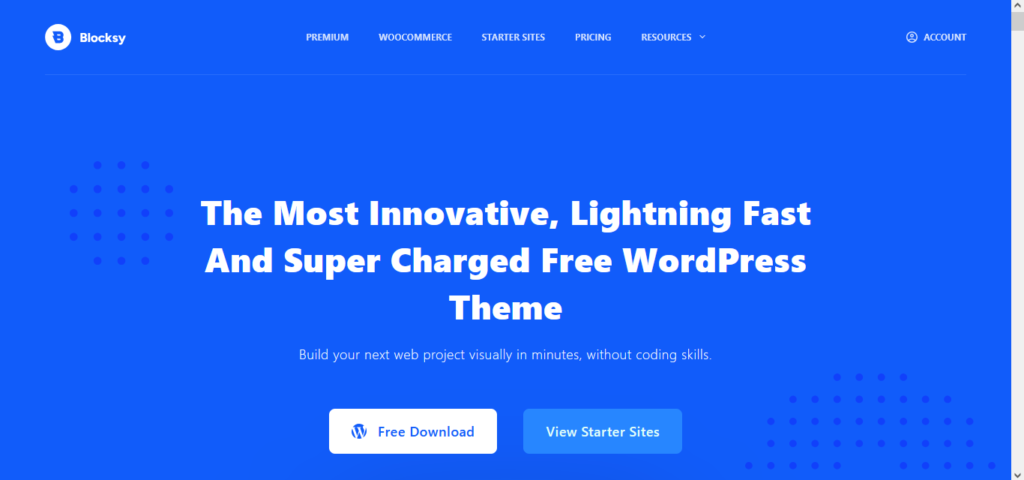
In my recent projects, Blocksy has quickly risen to the top of my recommendation list. It is built from the ground up to be fully compatible with the Gutenberg block editor, and it is arguably one of the most innovative themes on the market in 2026.
What sets Blocksy apart for affiliate marketers is its granular control. You can toggle off specific features you aren’t using, which prevents unnecessary code from loading on your site. This “modular” approach is the secret to its blazing-fast performance scores.
Beyond speed, Blocksy offers high-end features that usually require a premium page builder. Its header and footer builder is incredibly intuitive, and it features a “Content Blocks” system that allows you to hook specific affiliate layouts (like a disclaimer or a “Best Product” banner) into any part of your posts automatically. This is a massive time-saver for anyone managing hundreds of product reviews.
5. REHub: The Ultimate All-in-One Affiliate Powerhouse
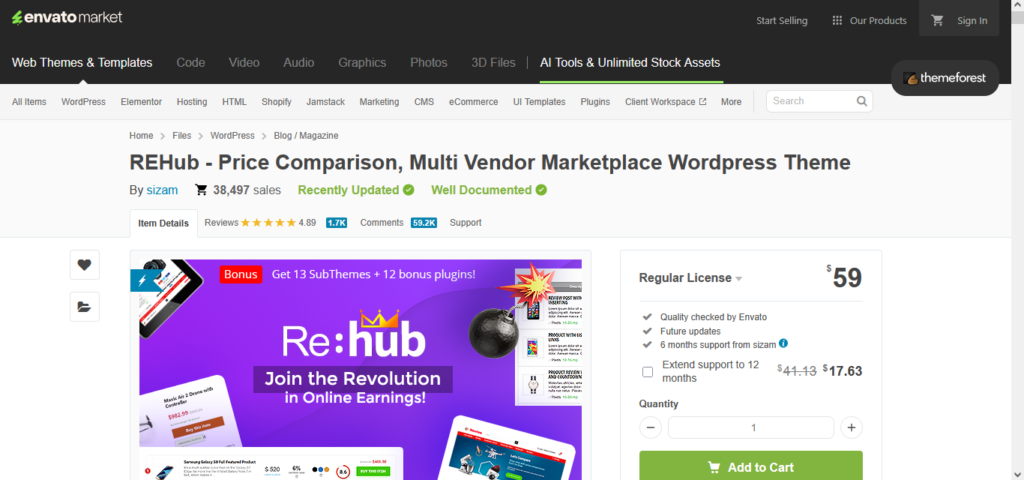
If you are building a massive comparison engine, a daily deals site, or an advanced review hub, REHub is the specialized tool you need. Unlike GeneratePress or Kadence, which are multipurpose, REHub is purpose-built strictly for heavy affiliate monetization.
REHub comes packed with advanced features that usually require expensive premium plugins. It includes built-in price comparison tools, dynamic user review systems, and highly detailed product specification tables. This makes it incredibly easy to build “Top 10” lists that look just like major authority sites.
The trade-off here is a slightly steeper learning curve and a heavier initial codebase. However, the developers have heavily optimized the theme for SEO, including advanced snippet integration. If properly cached, it can still achieve excellent Core Web Vitals scores while offering unmatched affiliate functionality.
6. Authority Pro (StudioPress): For Trust and Expertise
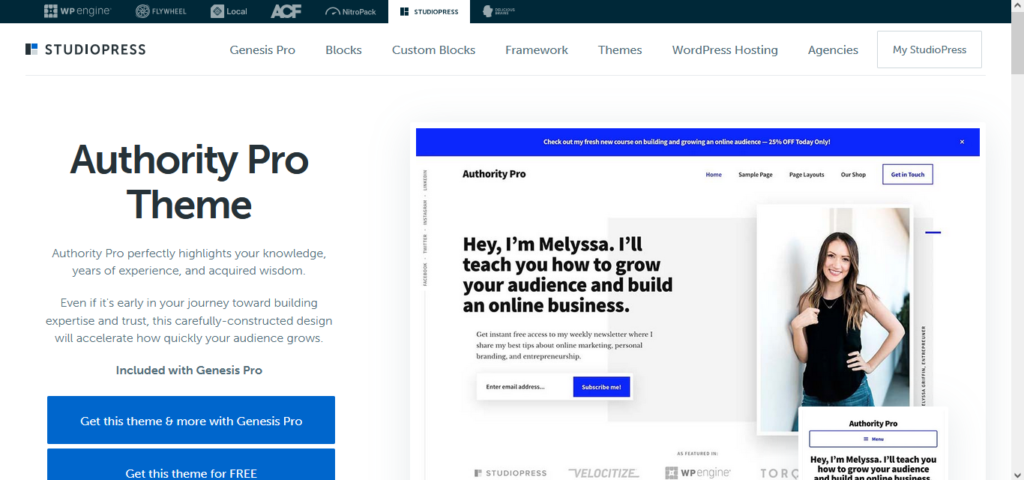
In today’s SEO climate, demonstrating E-E-A-T (Experience, Expertise, Authoritativeness, and Trustworthiness) is vital. Authority Pro by StudioPress is specifically designed to highlight your expertise and build trust with your audience the moment they land on your site.
Built on the legendary Genesis Framework, this theme boasts an incredibly secure and SEO-optimized foundation. The design is intentionally clean and typography-focused, ensuring that your long-form review content takes center stage. There are no distracting animations or cluttered sidebars.
I often recommend Authority Pro for personal brand affiliate sites. If your monetization strategy relies on your personal authority (e.g., a financial advisor reviewing credit cards, or a fitness coach reviewing supplements), this theme’s design inherently projects professionalism and credibility.
7. Popcorn Theme: Built Specifically for Niche Sites
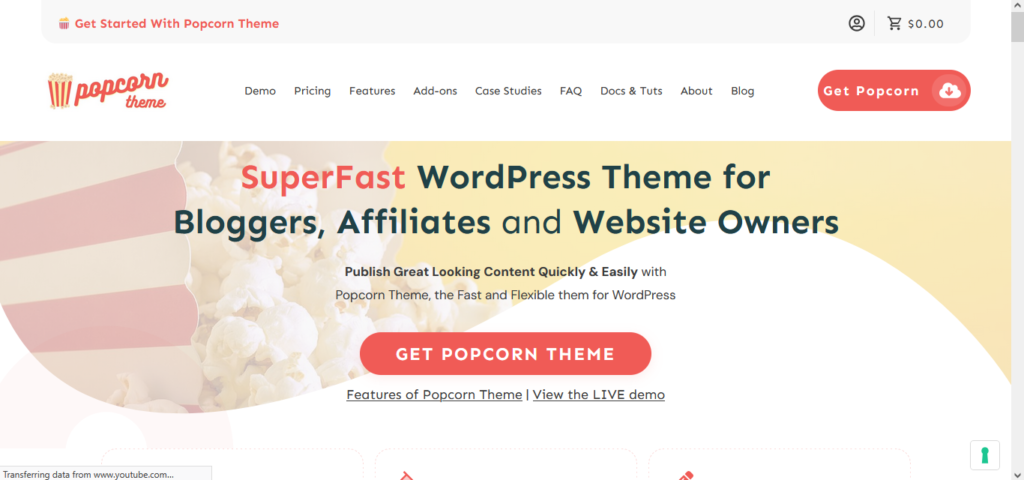
Popcorn Theme was created by affiliate marketers, for affiliate marketers. It addresses a very specific pain point: the need for a fast, attractive site without spending hours tweaking design settings or buying additional plugins.
This theme is optimized specifically for content creators running niche sites. It strips away the unnecessary features that slow down standard multipurpose themes and focuses purely on content delivery. You can achieve scores of 99+ on Google PageSpeed Insights with minimal effort.
What makes Popcorn unique is its built-in affiliate features. It includes native disclaimer banners, custom author boxes (crucial for E-E-A-T), and attractive affiliate product boxes right out of the box. This drastically reduces the number of third-party plugins you need to install.
Core Pillars of a High-Converting Affiliate Theme
First, the theme must conquer Google’s Core Web Vitals. This means having a Lightning-fast Largest Contentful Paint (LCP), rock-solid Cumulative Layout Shift (CLS), and seamless Interaction to Next Paint (INP). These metrics tell Google that your site is a joy to use. When a theme is bloated with unnecessary code, these metrics suffer instantly.
Second, I prioritize Schema markup and structured data integration. High-converting themes should support or easily integrate with review and product schemas. Finally, mobile-first responsiveness is critical. Over 60% of affiliate traffic comes from mobile devices, so your comparison tables and CTA (Call to Action) buttons must display perfectly on smaller screens.
The Technical Edge: SEO Features to Look For
When evaluating these themes, I always look under the hood for specific technical SEO advantages. A great theme does a lot of the heavy lifting for your on-page SEO automatically.
First, look for native breadcrumbs. Breadcrumbs help Google understand your site’s hierarchy and improve how your links appear in search results. Having them built into the theme (like in GeneratePress and Astra) is much cleaner than relying on an external SEO plugin to generate them.
Second, strict adherence to HTML5 semantic tags and optimized heading hierarchy is crucial. Your theme should naturally wrap your main title in an H1 tag, subheadings in H2s and H3s, and sidebars in standard <aside> tags. This clean structure is exactly what search engine bots want to see when crawling your site.
Speed Benchmarks: Comparing the Top 3 Contenders
To give you a clearer picture, I’ve compiled typical performance metrics for a standard, image-heavy affiliate blog post using the top three contenders. Note that these are based on optimized server environments with proper caching.
| Theme | LCP (Largest Contentful Paint) | Total Blocking Time | Core Web Vitals Pass? |
|---|---|---|---|
| GeneratePress | 0.8 seconds | 0 ms | Yes (Excellent) |
| Astra | 1.1 seconds | 40 ms | Yes (Great) |
| Kadence WP | 1.0 seconds | 25 ms | Yes (Great) |
A simple explanation of these metrics: LCP measures how fast the main content loads, while Total Blocking Time measures how long the page is unresponsive while scripts load. As you can see, all three easily pass Google’s strict requirements, with GeneratePress taking a slight edge in raw speed.
Monetization Tools: Beyond the Theme
Your theme is the foundation, but how it interacts with external monetization tools dictates your workflow. The best themes offer seamless compatibility with the industry standard affiliate plugins.
For example, I frequently use plugins like Lasso or AAWP (Amazon Affiliate WordPress Plugin) to manage links and pull API data. Themes like Astra and Kadence have specific CSS built-in to ensure these plugin outputs look beautiful without requiring custom coding on your end.
If your theme conflicts with your monetization plugins, you will spend hours writing custom CSS just to make a simple product box look presentable. Choosing a widely adopted theme ensures maximum compatibility with third-party tools.
Common Mistakes When Choosing an Affiliate Theme
Over the years, I’ve seen countless affiliate marketers shoot themselves in the foot by making the same theme-related mistakes. The most common error is an over-reliance on heavy page builders like Elementor or Divi for every single blog post. While great for landing pages, using them for hundreds of review articles creates massive code bloat that destroys load times.
Another frequent mistake is ignoring native font loading. Many flashy themes pull multiple font weights from Google Fonts, adding hundreds of milliseconds to your load time. The best themes allow you to host fonts locally or use system fonts for instant rendering.
Finally, avoid themes with excessive, un-turn-off-able animations. Fading elements and parallax scrolling might look cool, but they distract the user from clicking your affiliate links and drastically worsen your Interaction to Next Paint (INP) scores.
Transitioning Themes: How to Switch Without Losing Rankings
If you already have an affiliate site and want to switch to a faster theme, you must tread carefully. A botched theme change can temporarily tank your search engine rankings if your site structure changes.
I always recommend doing the transition on a staging site first. This allows you to verify that your shortcodes, affiliate product boxes, and formatting translate correctly to the new theme. You must ensure that your URL structures and permalinks remain exactly the same.
Before pushing the new theme live, conduct a thorough SEO audit. Check that your heading tags haven’t been altered, your schema markup is still firing properly, and your mobile responsiveness is flawless. A careful migration ensures you only get the speed benefits without the ranking drop.
Conclusion & Final Verdict
Choosing the right WordPress theme for your affiliate site boils down to balancing speed, SEO features, and your technical comfort level. In 2026, you cannot afford to sacrifice Core Web Vitals for flashy design elements.
- For Beginners: I highly recommend Popcorn Theme or Astra. They require minimal technical knowledge and provide excellent speed and affiliate features right out of the box.
- For Advanced Marketers: GeneratePress and Kadence WP are the clear winners. They provide a lightweight framework that you can mold into a highly customized, conversion-focused machine.
Summary of Key Points
- Speed is Paramount: Choose lightweight themes (GeneratePress, Kadence) to pass Google’s Core Web Vitals (LCP, INP, CLS).
- Avoid Bloat: Steer clear of heavy page builders for standard blog posts; use native block editors like GenerateBlocks or Kadence Blocks instead.
- E-E-A-T Matters: Ensure your theme supports clean layouts, author boxes, and native breadcrumbs to establish trust and authority.
- Test Before Switching: Always use a staging environment to change themes to protect your existing SEO rankings.
Frequently Asked Questions
1.Does my WordPress theme really affect my affiliate earnings?
Absolutely. Your theme is the engine of your website. If it is slow, users will leave before they ever click an affiliate link. Furthermore, a theme with poor mobile optimization can make your comparison tables unreadable, leading to a massive drop in conversion rates. A fast, SEO-optimized theme is an investment in your bottom line.
2.Can I use a free theme for an affiliate site?
Yes, you can. Themes like GeneratePress, Astra, and Blocksy all have excellent free versions. However, the premium versions usually unlock “site libraries” and advanced hooks/blocks that are essential for creating high-converting product grids and comparison tables. If you are serious about your affiliate business, the pro version is usually worth the investment.
3.Should I use a page builder like Elementor with these themes?
While you can, I generally advise against it for your standard blog posts. In 2026, the native WordPress Block Editor (Gutenberg) is fast and powerful enough to build almost any layout. Page builders add significant “code bloat” that can hurt your Core Web Vitals scores. If you must use a page builder, limit it to your homepage or specific landing pages.
4.How do I know if my current theme is too slow?
I recommend running your site through Google PageSpeed Insights or GTMetrix. Look specifically at your “Largest Contentful Paint” (LCP). If it is higher than 2.5 seconds, your theme or your hosting is likely holding you back. All the themes on my list are capable of achieving sub-1.5s LCP scores.
5.Is it difficult to switch themes on an existing affiliate site?
It can be tricky, but it is manageable. The biggest risk is losing custom formatting or having shortcodes break. I always recommend using a staging site to test the new theme first. This ensures your SEO rankings stay intact and your product boxes still look great before you go live to your audience.
6.Do these themes come with built-in affiliate link management?
Most themes do not manage your links (you should use a plugin like Lasso or ThirstyAffiliates for that), but they do provide the layout for them. For example, Popcorn Theme and REHub include specific blocks designed to display those links in attractive, high-clicking product boxes.
7.What is the most important SEO feature in a theme?
Aside from speed, it is Schema Markup. You want a theme that allows search engines to easily “read” that your post is a review, who the author is, and what the product price is. This is what generates those professional-looking rich snippets in search results that drive higher click-through rates.